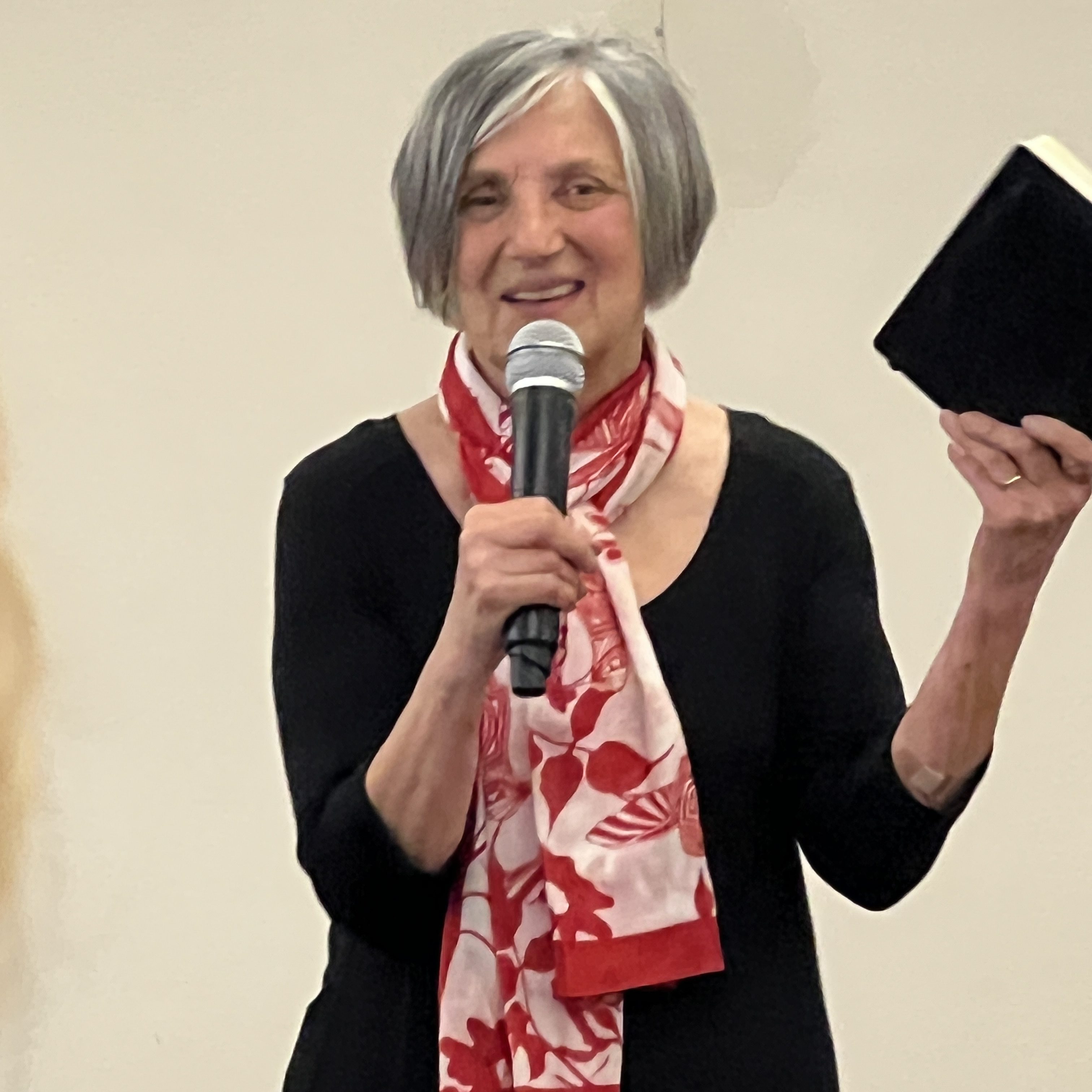
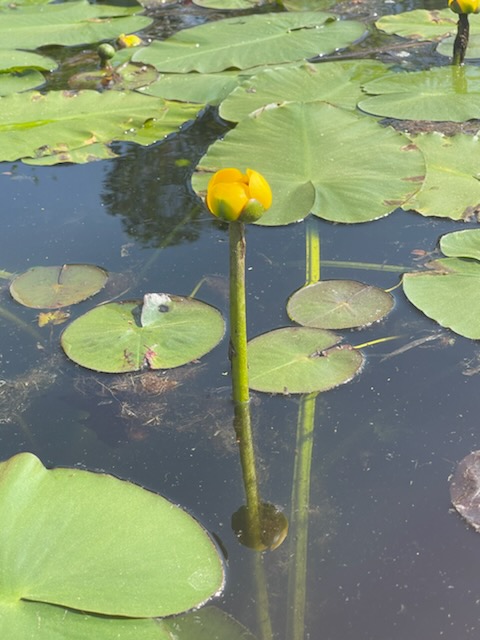
Prosetrics magazine is an unusual publication based in Amsterdam. They put out a call for reflections about Ukiyo. My essay “Floatation Devices” appears in the June 2026 issue.
Floatation Devices
They say that Buddhists in Japan originally used the word Ukiyo to evoke the sorrows of the world. It was written with the character “憂”which means melancholy and not the character “浮” which means floating. Both characters have the same sound. This is the kind of linguistic trivia that floats my boat, if you’ll excuse the pun, partly because I teach languages and partly because I study written Japanese as a hobby.
It turns out that the leisure and artistic classes of the Edo Period created a play on words by substituting one “u” sounding character for another. They were rejecting the idea of life being a cycle of suffering and rebirth à la Buddhism. They sought to live fully in the fleeting present. Given that Tokyo was a relatively peaceful cocoon at the time, residents must have found it easy to enjoy themselves while they could. They forged lifestyles centering on teahouses, brothels, eroticism, art, Kabuki plays, and beautiful women with those elaborate twisty hair styles.
Over time, the Buddhist concept of a sorrowful Ukiyo fell by the wayside. And the other Ukiyo ,the floating world,gained popularity. By the end of the 19th century, it had traveled abroad via artistic pathways: those woodcuts called Ukiyo -e and all the Van Goghian homages to them. The concept has teased us ever since. I say teased because it’s hard to put a finger on impermanence. By definition, the floating world is elusive. Now you see it, now you don’t. Live Life Now sounds like great advice, but internalizing the practice is a challenge.
For accessibility, I prefer the original Ukiyo,the melancholy one. Not because I have a gloomy nature, but rather because I think loss is less distracting than pleasure. Our dog dies and we look at his bowl, untouched, and that melancholy kind of Ukiyo seeps inside us, and if a someone asks us how we are, we know that we miss our pet and nothing seems right. The transient nature of the world hits us between the eyes.
The other Ukiyo is trickier. It slips through our fingers. We get glimpses of it, but then we start looking ahead and we’re no longer in the now. For instance, when I have a nice evening with friends, maybe in the South of France, and the tomatoes are perfectly ripe, and the host serves an exquisite Pouilly-Fuissé with the freshly-caught shrimp, and the air hangs sweet with bougainvillea, I am smack dab in the middle of the floating world, but I’m not necessarily naming it as such. I recognize that I am happy and that this gathering is lovely, but I might not experience the essence of Ukiyo. Maybe I’m distracted by a pomegranate seed lodged in my tooth. Maybe I’m a little too attracted to the host. Maybe I’m worried that I’ll miss my train. Maybe my head is already traveling to tomorrow’s destination.
It is only afterwards, maybe long afterwards, that I wake up. The host who serves the Pouilly Fuissé dies of a heart attack at forty-five, the vineyards where the wine was grown are attacked by fungus, a volcano erupts in Iceland and I can’t fly from New York to France. I think back to that sweet memory and find myself reflecting on impermanence. And then, it’s the other Ukiyo which washes over me. The original 憂, not the 浮.
The Japanese have another term Ichi go, ichi e, 一期一会 which means one lifetime, one meeting. It is rooted in the same Buddhist philosophy as Ukiyo, but, to me, the concept is more accessible. This adage was born in the dignified quiet of the tea ceremony, not in the excitement of the brothel or theater, yet it speaks directly to the same sense of transience. Each time you do something, anything, it’s a one-off. Nothing repeats so this moment warrants our attention. I like the simplicity of this idea.
I often think of Albert Camus’s statement : “Ce n’est plus d’être heureux que je souhaite maintenant, mais seulement d’être conscient.’’ Being happy is no longer what I wish for these days, but only to be aware.
I find myself wondering if those Edo Period people were really conscious of Ukiyo? Or were they too inebriated or lascivious to feel the moment? Were they clapping wildly at the Kabuki actors, but their minds were elsewhere? Were they more intent on catching the eye of a pretty woman? Already planning their next excursion? Wondering where to go for a drink? Did they merely give lip service to that floating world?
I once went to the Ota museum in Tokyo, one of many museums dedicated to Ukiyo -e. A dear Japanese friend, whom I’ve known for decades, had dutifully taken me to see the latest exhibit, but for several reasons, I found it a bit ho-hum. Maybe I’d seen too many examples of the genre. Or too many modern imitations of it in sushi restaurants. Maybe I was hungry or my feet hurt. In any case I couldn’t lose myself in those views of courtesans and castles. I kept thinking that in just a few short days I’d be leaving Japan. When would I see Michiko again?
Once outside, in the touristy knot of Harujuku, Michiko and I walked, past teenagers dressed as kittens and Barbie and Marilyn Monroe. There were a lot of girls with elaborate wigs. The atmosphere was theatrical, buzzing with electricity and surprise. The air smelled of fried food, like a carnival. Suddenly I felt immersed in Ukiyo . I wasn’t necessarily comfortable in Harujuku or personally attracted to the ambiance, but I was pulled into the present moment as if by a riptide. Life, in all its imaginative and crazy forms, gushed around me, a torrent of sights and sounds. I was acutely aware that even if I could return to that exact spot the next day, nothing would be the same. Neither the costumes nor the noise. Neither the blooming plum trees nor the afternoon light shining in my eyes. I wouldn’t be in the same mood and we wouldn’t talk about the same things. I wondered if, on the eve of my departure, Michiko shared this awareness, this Ukiyo. The tender fragility of it all, the beauty of the ugliness, the underlying nostalgia already creeping in, but not yet there.



 Gabriella Brand
LET US KNOW WHAT YOU THINK